Dental Implants
Dental Implants vs Bridges: What Kansas City Patients Should Know
Implants and bridges can both replace missing teeth. The right choice depends on bone, bite, neighboring teeth, health history, time, and budget.
A missing tooth can affect chewing, confidence, and how the neighboring teeth fit together. Dental implants and bridges are two common replacement options, but they solve the problem in different ways.
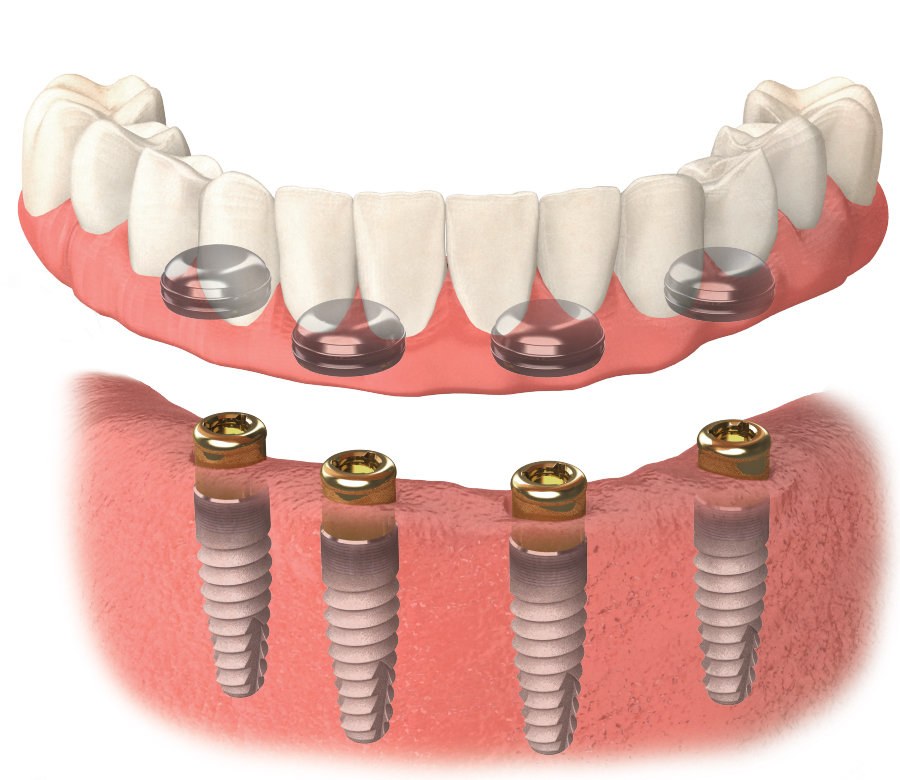
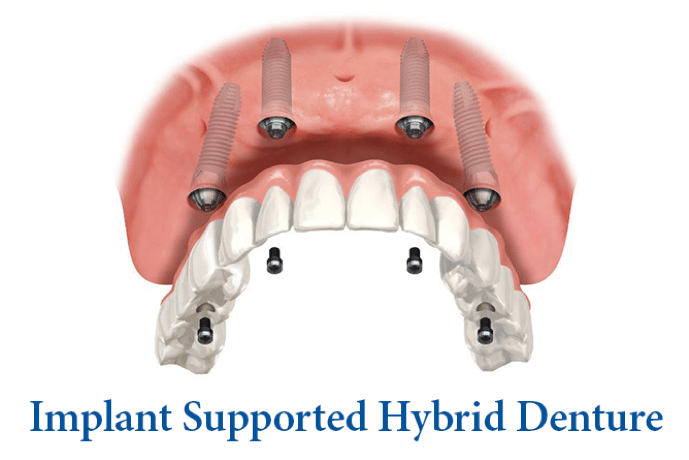
How implants and bridges are different
A dental implant replaces the missing tooth root and supports a restoration above the gums. A traditional bridge fills the gap by using neighboring teeth as supports. Both can be good options, but the clinical tradeoffs are different.
- Implants do not rely on adjacent teeth, but they require enough healthy bone and time for healing.
- Bridges may be faster in some cases, especially when neighboring teeth already need crowns.
- Health history, gum health, bite forces, and budget all influence the recommendation.
What to ask during your consultation
Ask whether the adjacent teeth are healthy, whether bone grafting is needed, how long treatment may take, what maintenance looks like, and how each option fits your long-term oral health goals.
Compare dental implant options at Red Bridge Family Dental →
Quick takeaway
Implants often preserve neighboring teeth, while bridges can be efficient when adjacent teeth need crowns. A consultation is the best way to compare the tradeoffs in your mouth.
Sources used in this article
About Red Bridge Family Dental
Dr. Robert Carlson and the Red Bridge Family Dental team provide patient-friendly care for families in South Kansas City, including emergency visits, Invisalign, dental implants, and everyday general dentistry.
Need help deciding what to do next?
Call Red Bridge Family Dental or schedule online. If you have swelling, trauma, uncontrolled bleeding, or severe pain, call promptly.
Call 816-943-0600Schedule Online